
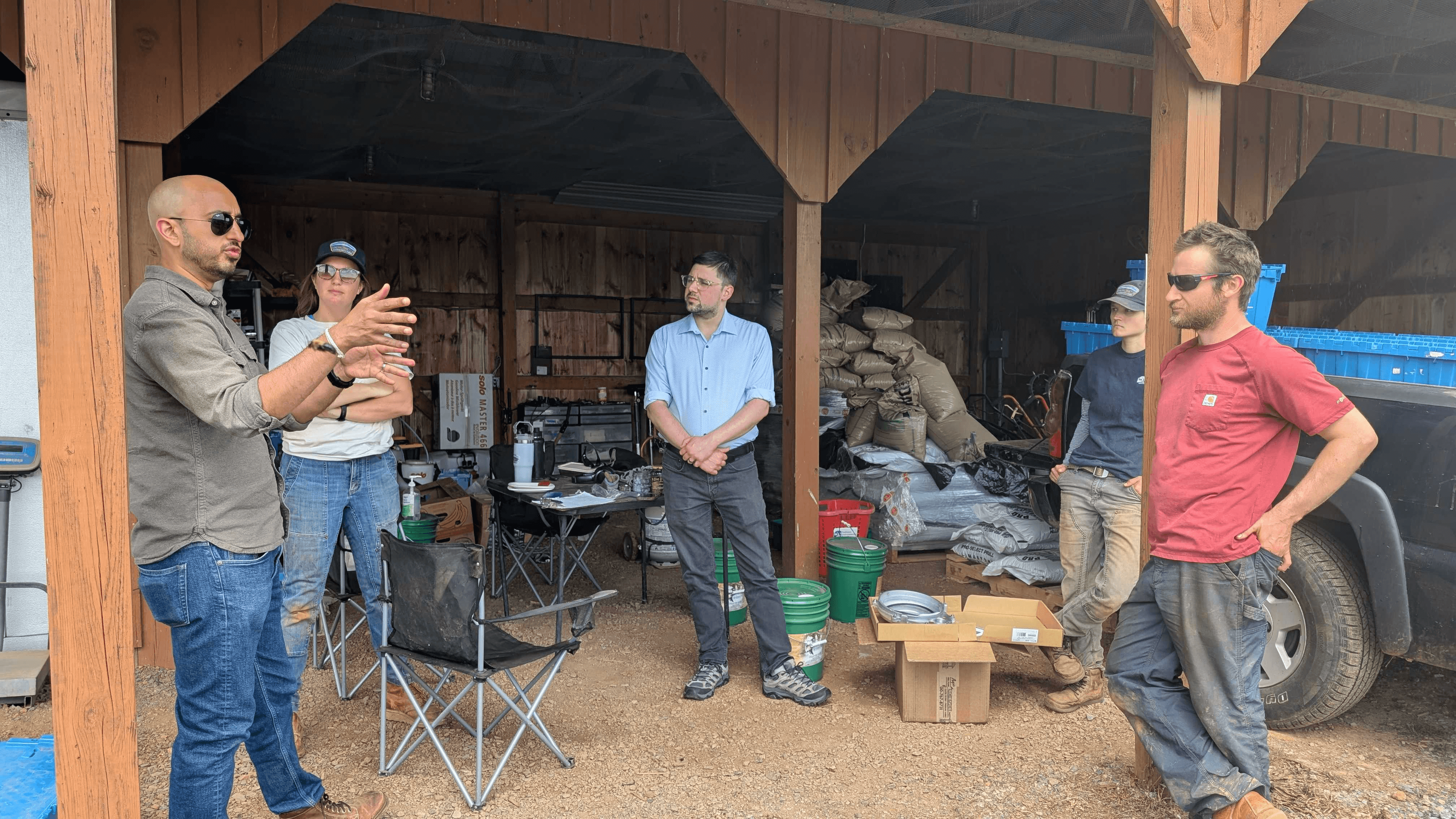
Polaris EcoSystems staff meeting with a project team on site

Tribal & Stakeholder Engagement

Energy sovereignty work for tribal nations, and engagement for the non-profits, municipalities, and firms that build alongside them. We are an Alliance for Tribal Clean Energy Preferred Provider, and we work with nations in the US and Canada.

Who We Work With

Tribal Nations

Energy work with tribal nations in the US and Canada, on the nation’s terms and on the nation’s timeline.

Mission-Driven Non-Profits

Collaboration with non-profits focused on community and environmental impact

Municipalities

Working with small and large municipalities on infrastructure and energy projects

For-Profit Firms

Cross-sector partnerships that deliver value for businesses and communities

Wind farm across working rangeland

Working on Tribal Energy

Energy projects on tribal land run through a different set of rules than projects anywhere else. Sovereignty is not a stakeholder consideration, it is the governing framework. Consultation is government-to-government. Land status, whether trust, allotted, or fee, changes who has to sign and what federal review applies.

We work inside that framework rather than around it: supporting consultation, coordinating the federal environmental and historic preservation review a project triggers, and preparing the material a council or board needs to make a decision it can defend. Where a nation wants ownership rather than a lease, we help structure the work that way.

Recognized in Tribal Energy

2025

Alliance for Tribal Clean Energy

Awarded Preferred Provider.

2025

American Indian Policy Institute

Indigenous Leadership Academy, Spring 2025 Cohort.

2024

Grid Alternatives

Recognized as a Tribal Energy Innovator.

See all certifications and awards

Our Services

  • Government-to-Government Consultation Support
  • NEPA and Section 106 Coordination
  • Trust, Allotted, and Fee Land Considerations
  • Community Benefit and Workforce Discussions
  • Council and Board Briefing Materials
  • Municipal and Cross-Sector Engagement

Our Process

01

Stakeholder Identification

We map who actually holds a decision, a veto, or a grievance: tribal council and departments, federal and state agencies, adjacent landowners, and the community. Mapping this late is what stalls projects.

02

Engagement Planning

We build an engagement plan around the schedule that already exists, including council meeting cycles, consultation obligations, and funding deadlines, so nothing waits on a meeting that was never booked.

03

Collaborative Outcomes

We facilitate the conversations, document what was agreed, and stay involved through delivery so commitments made during engagement survive into construction.

Questions We Get

Does land status change what a project needs?
Substantially. Trust land, allotted land with multiple undivided interests, and fee land each carry a different approval path, a different set of signatures, and a different federal review. Allotted land in particular can require consent from many individual interest holders, and discovering that during diligence rather than during planning is what stalls projects.
What does government-to-government consultation actually involve?
Consultation is between sovereigns and is initiated by the federal agency, not by a developer or a consultant. Our role is to support the nation through it: preparing the technical and factual record, tracking commitments made, and making sure the nation's position is documented rather than summarized by someone else.
Do you handle NEPA and Section 106?
We coordinate them. A project triggers environmental review under NEPA and historic preservation review under Section 106 of the NHPA, and the two run on overlapping but separate tracks with different consulting parties. We keep the sequence and the record straight, and work with the specialist consultants each requires.
Can a nation own the project rather than lease the land?
Often, yes, and the structure has to be planned for early because it changes the financing, the tax position, and the procurement. Where a nation wants ownership rather than a lease, we scope the work that way from the start rather than converting a lease deal late.
What does Alliance for Tribal Clean Energy Preferred Provider mean?
The Alliance vets and lists providers it is willing to recommend to the tribal nations it works with. We were awarded Preferred Provider status in 2025. It is a signal of vetting, not a guarantee of fit, and we would rather you talk to us and decide.
We are a municipality or non-profit, not a tribe. Is this the right page?
Yes. The same engagement discipline applies: identify who actually holds a decision, work to the calendar that already exists, and document what was agreed. The regulatory framework differs; the method does not.

Let's Work Together

Whether you represent a tribal nation, a municipality, or a non-profit, tell us about the project and where it is stuck.